
Laboratory Protocol 04-08
Standards of Quality and Ingredient Sourcing
At Sumber Nutrisi, we believe that the effectiveness of any nutritional guide depends on the purity of the ingredients discussed. We apply rigorous criteria to ensure that the information we provide is based on high-quality, sustainably sourced botanical extracts.


Sourcing Philosophy
Rigorous Sourcing Criteria
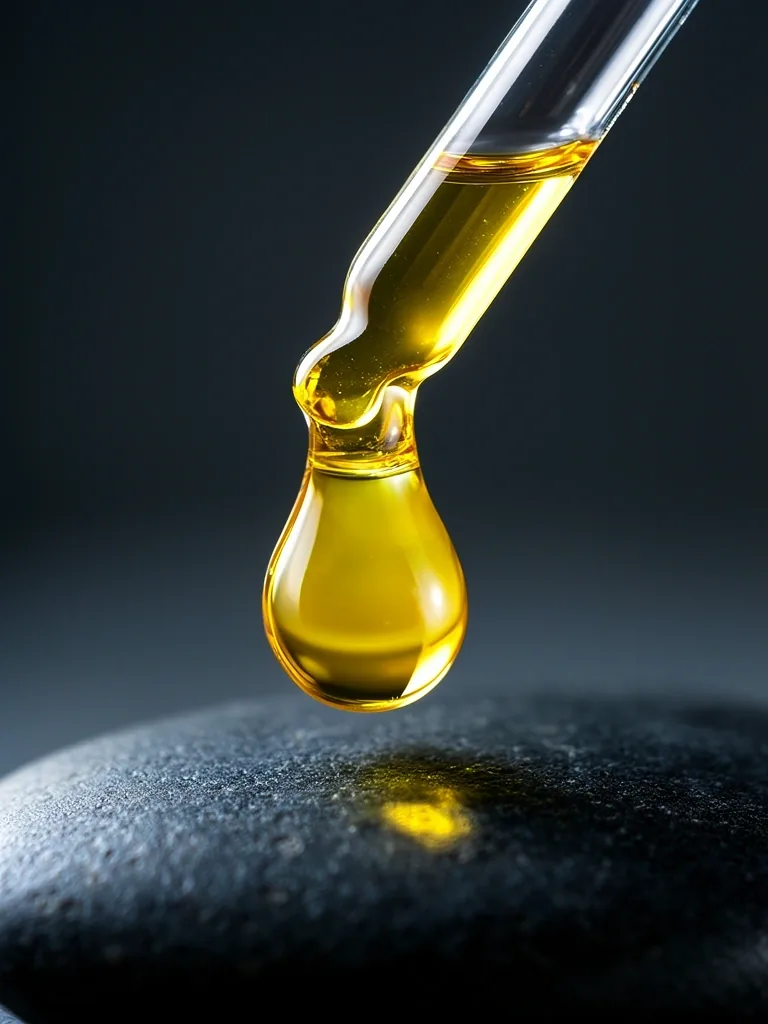
We prioritize ingredients that are sourced from their native regions, where soil and climate conditions allow for the highest concentration of active compounds. Our sourcing philosophy focuses on transparency and the ethical treatment of the environment. By selecting botanicals from their original ecosystems, we ensure that the natural balance of nutrients is preserved, supporting men's daily well-being and physical vitality.
Native sourcing isn't just about tradition; it is about the chemistry of the earth. The mineral composition of the soil in specific high-altitude regions or volcanic terrains directly influences the quality of the harvest. We look for suppliers who respect these geographical nuances.
Safety & Integrity
Purity and Contaminant Testing
Natural does not always mean clean. Environmental factors can introduce unwanted elements into even the most pristine wild-harvested plants. We advocate for thorough testing of all botanical sources to ensure they are free from heavy metals, pesticides, and other impurities.
Standard Testing Protocols
-
Heavy Metal Screening: Verification that lead, mercury, and arsenic levels are well below international safety thresholds.
-
Microbial Analysis: Rigorous checks for molds and environmental contaminants that can accumulate during drying.
-
Pesticide Residue: Multi-residue screening to confirm that agricultural practices meet non-toxic standards.
Establishing these standards ensures that the information we provide about nutritional support is grounded in real safety and measurable quality. We encourage our readers to request certificates of analysis whenever they explore new botanical supplements.
Processing Science
Extraction Methods Matter
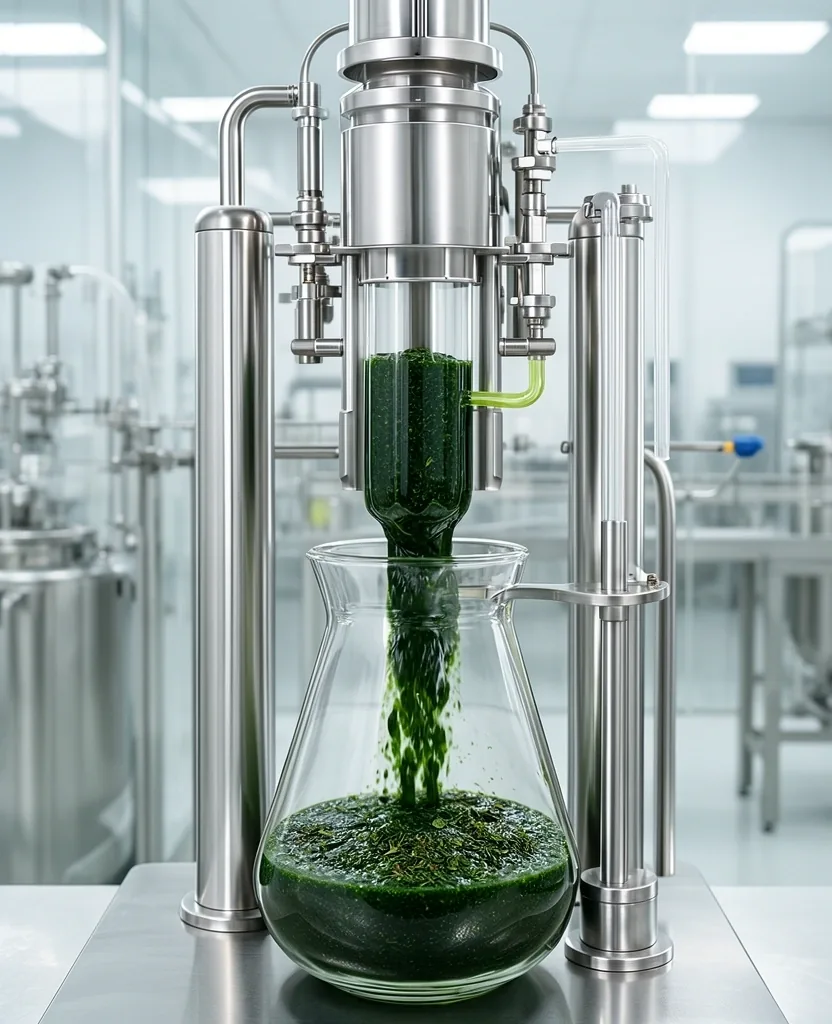
The way a plant is processed significantly impacts its nutritional value. Heat and harsh chemicals can often degrade the very compounds responsible for vitality. We compare different extraction methods, such as cold-pressing and CO2 extraction, explaining which techniques best preserve the integrity of the plant's natural properties.
CO2 Extraction
A solvent-free process that uses pressurized carbon dioxide to pull active components from plant matter at low temperatures, ensuring maximum purity.
Cold-Pressing
Mechanical pressure without heat, ideal for preserving the delicate fatty acids and oils found in seeds and fruits used for daily energy support.
Batch Consistency
Standardization of Active Compounds
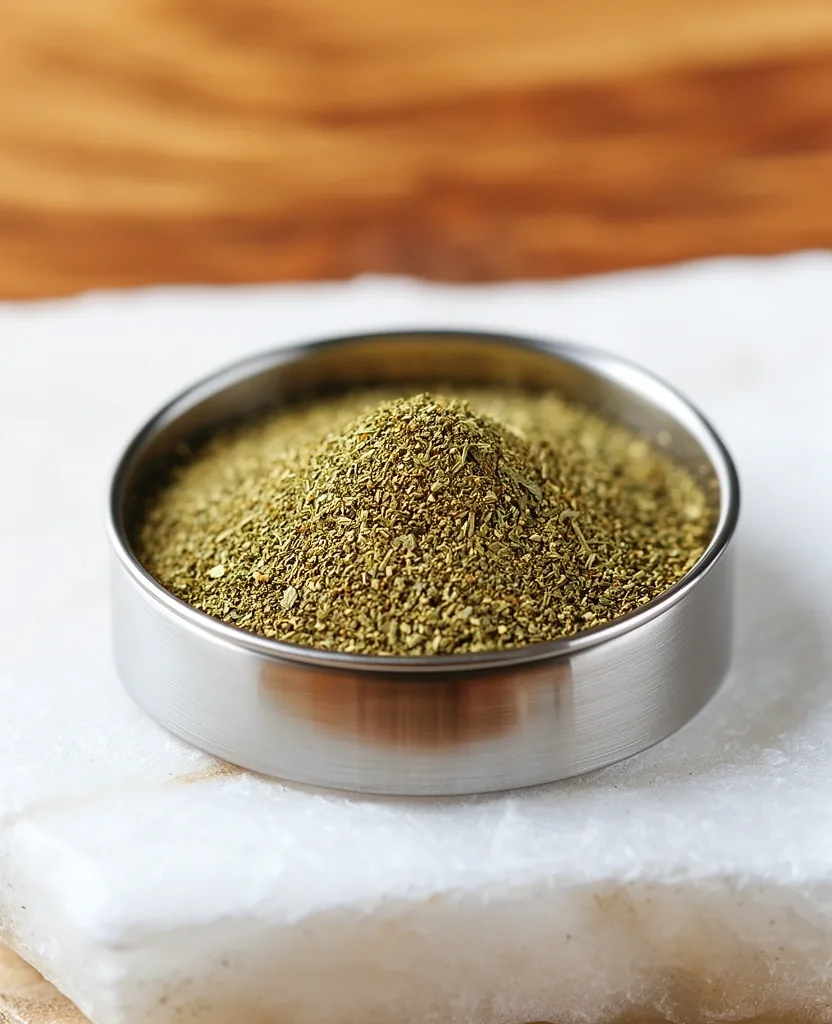
To ensure consistency, botanical extracts should be standardized to contain a specific percentage of their most beneficial components. We explain what "standardized extract" means and why it is a crucial indicator of quality in nutritional support.
Without standardization, one batch of an extract might have five times the active power of the next. By measuring specific marker compounds, we can ensure that every time you use a guide or a recommendation from Sumber Nutrisi, you are working with predictable and reliable data for your daily activity levels.
Traceability and Natural Farming
From the field to the final guide, knowing the origin of every ingredient is essential for safety and ethical transparency.
Eco-Data Analysis
Sustainability and Environmental Impact
Protecting the Source
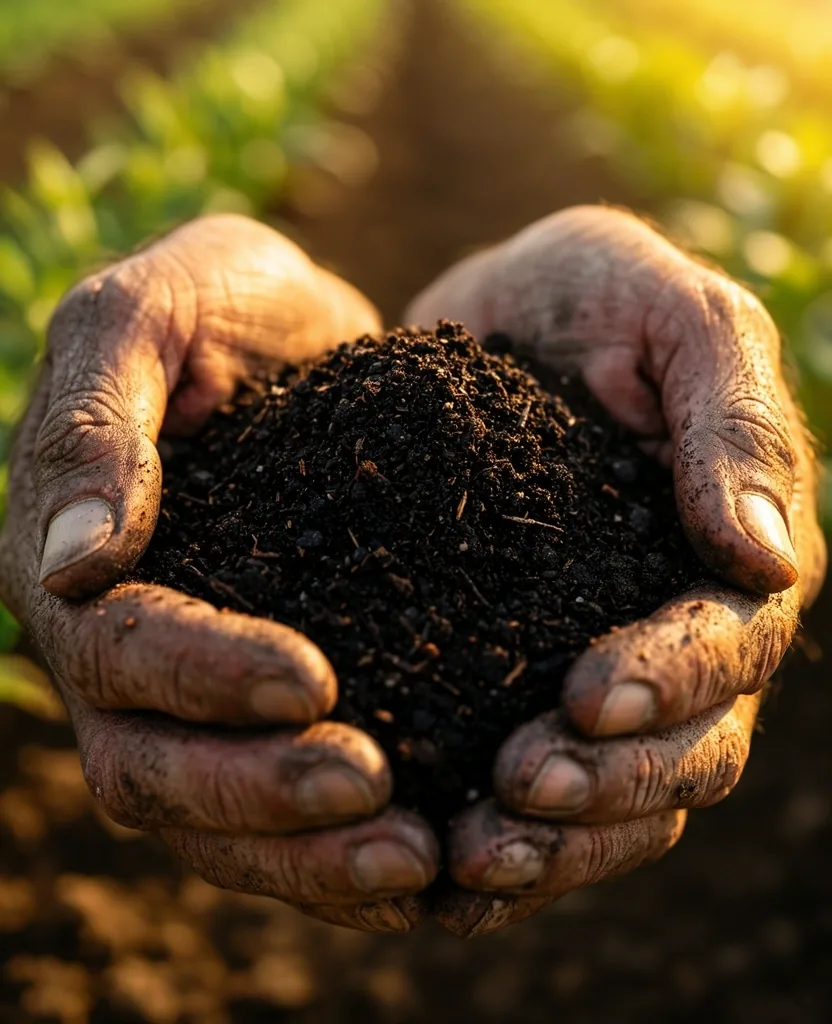
Natural resources are not infinite. For botanicals like Maca or various types of Ginseng, the demand can lead to over-harvesting, which depletes the soil and damages local biodiversity. We advocate for suppliers who use "wild-harvested" labels only when they can prove regenerative practices.
The Human Element
Sustainability also includes the communities that grow these ingredients. Fair trade and ethical sourcing ensure that the farmers are supported, creating a long-term relationship that favors quality over quantity.
Our Ecological Checklist
- Soil Rotation Mandatory
- Synthetic Fertilizers Prohibited
- Water Conservation Required
Trust & Transparency
Verification and Transparency
We encourage our readers to look for third-party verification when selecting their nutritional products. Understanding documentation like Certificates of Analysis (CoA) and organic seals is the final step in ensuring your well-being is supported by genuine, pure ingredients.
Third-Party Seals
Independent validation of content and purity standards from non-biased agencies.
Ingredient Origin
Verified records of where the raw material was harvested and by whom.